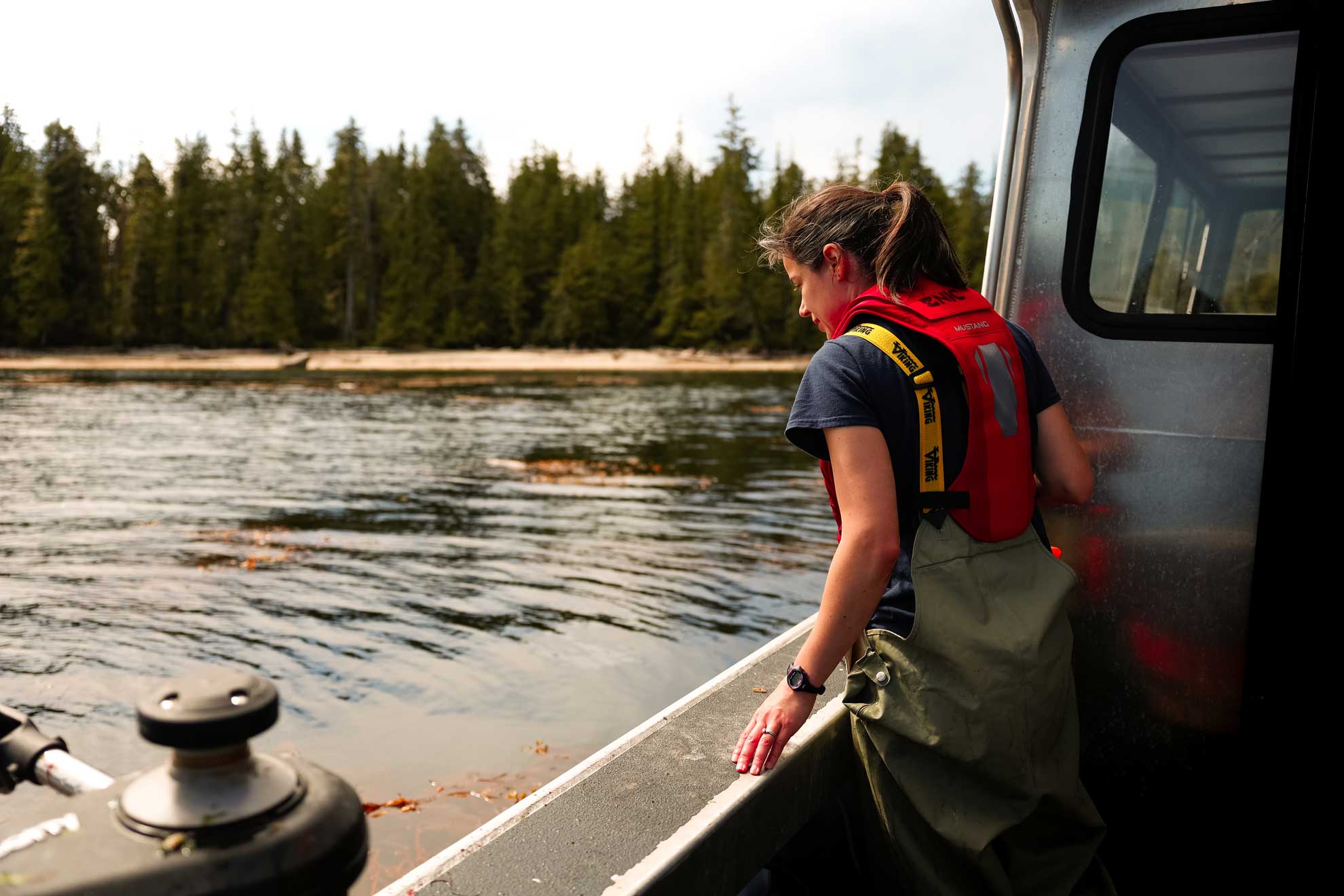
This collaborative research project will explore geoduck aquaculture potential in a new farming region – the BC Central Coast. The results will help the Central Coast Commercial Fisheries Association, a business alliance of four member First Nations, diversify the economic development activities within their traditional territories.
Project Dates: June 2020 – July 31, 2025
Funding Amount: $381,250
Project Summary
The goal of this project was to assess intertidal geoduck aquaculture feasibility at four test sites in the BC Central Coast, in partnership with the Central Coast Commercial Fisheries Association (CCCFA) and the Central Coast Indigenous Resource Alliance (CCIRA). CCCFA and CCIRA hold vast knowledge and experience when it comes to marine fisheries and are looking to diversify the economic development opportunities for their member Nations to include geoduck aquaculture – a challenging yet highly lucrative aquaculture opportunity for coastal communities.
The project team visited and considered many potential test sites, some of which were
eliminated based on preliminary assessments of water quality, accessibility or substrate.
Ultimately, four sites were chosen as geoduck aquaculture test sites, located in the
traditional territories of the Heiltsuk Nation and Kitasoo Xai’Xais Nation, where
more detailed water quality and substrate analyses were completed. Geoduck seed were
produced at a hatchery on Vancouver Island using Central Coast broodstock and were
boosted at the hatchery to approximately 5-mm total length. Geoduck seed were outplanted
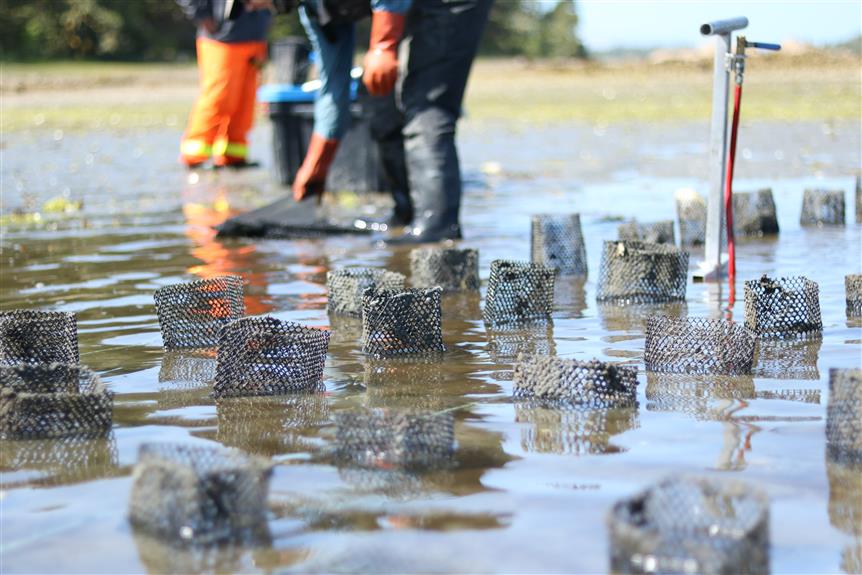
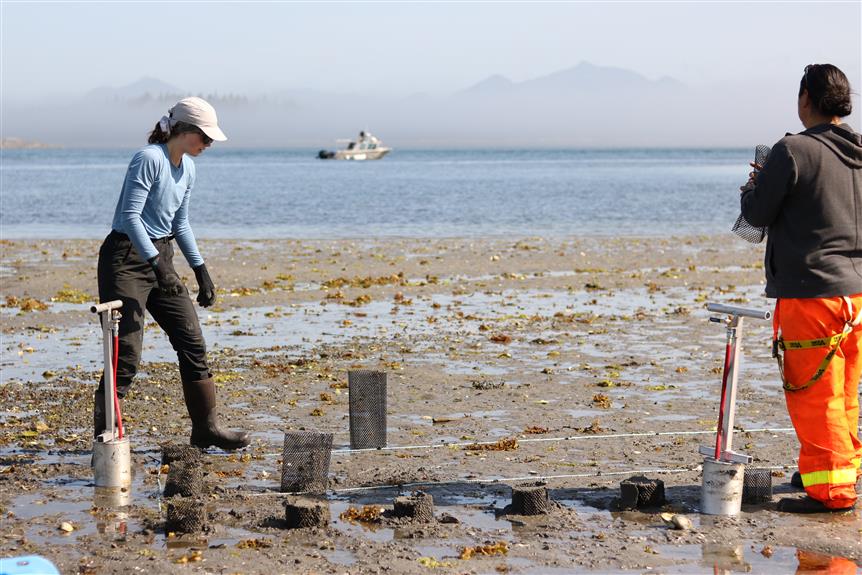
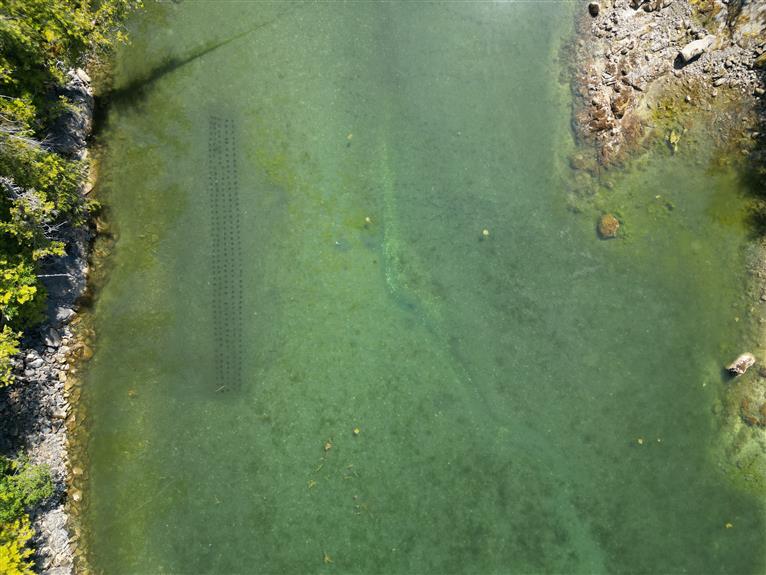
at the test sites in August 2023 in an intertidal grid of Vexar® mesh tubes. However,
likely due to their small size at outplanting, the planted geoduck seed did not survive.
All sites were fully decommissioned in 2025 by removing the Vexar® mesh tubes from
the experimental plots. The project provided practical knowledge and training related
to geoduck aquaculture site selection, permitting, broodstock collection, seed production/transport,
and anti-predator infrastructure. The CCCFA and CCIRA are using the findings and lessons
learned from this research to continue to explore the economic viability of geoduck
aquaculture on the Central Coast.
Research Team
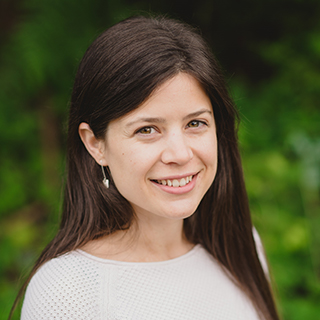
Allison Byrne
Researcher
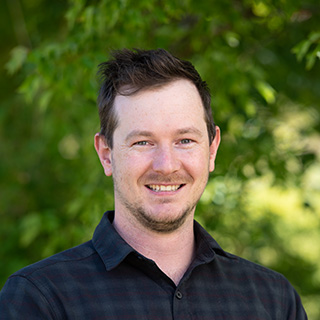
Logan Zeinert
Researcher
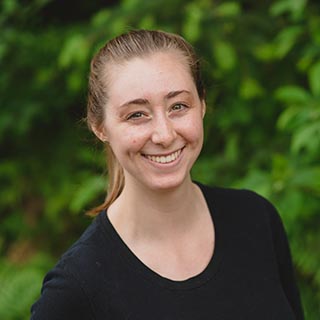
Emily Lohn
NIC biology student

Melissa Roberts
Student Research Assistant
Partners
Collaborators



News Stories and Coverage
- Central Coast First Nations partner with North Island College on geoduck aquaculture pilot
- Central Coast First Nations and NIC pilot geoduck aquaculture
The UN Sustainable Development Goals (SDGs) align with the college’s commitment
to community well-being and sustainability. By integrating SDGs into applied research
at NIC, we drive innovation that supports regional development while addressing critical
social, environmental and economic priorities.
UN Sustainable Development Goals


